
is a non-profit research organization, located in the Silicon Valley close to the NASA Ames Research Center. Our mission is to lead humanity's quest to understand the origins and prevalence of life and intelligence in the universe and share that knowledge with the world.
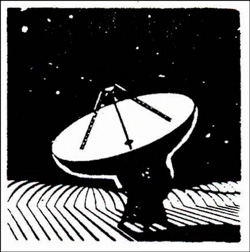
The Institute began small, with just one project – NASA’s SETI program – and two employees, founder Tom Pierson (a former grants administrator at San Francisco State University), and astronomer Jill Tarter. Over the years, other research disciplines have been added to the Institute’s portfolio, all unified by their relevance to the search for, and understanding of, life beyond Earth. Today, the Institute has approximately 100 scientists as well as specialists in administration, education, and outreach. You can read more about the Institute’s history here.

The Carl Sagan Center for Research is home to more than 100 scientists, a tally that is steadily growing. These researchers have expertise in nearly all branches of science relevant to the development of life, where it might exist, and how we can find it.
The fundamental questions being addressed by SETI Institute researchers have great popular appeal. They are therefore excellent “hooks” to interest young people in STEAM topics, subject matter that is at the core of our formal education programs. The Center for Education promotes STEAM education through NASA- and NSF-funded programs aimed at teaching and inspiring children, young adults and educators with an emphasis on space sciences and astrobiology.
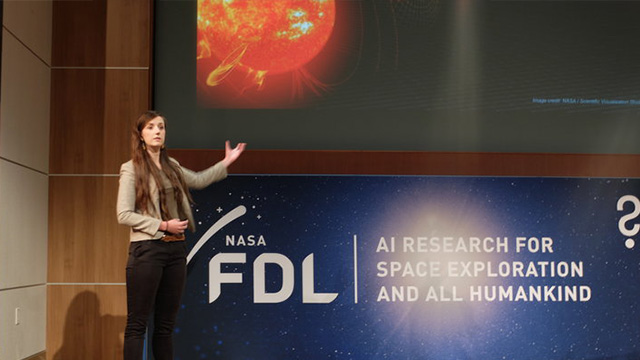
Science is not just for scientists. We want to share the excitement of our research, but also promote greater science literacy in general. Efforts include more than a hundred or more popular lectures given annually, programs at museums and planetariums, and numerous popular articles in magazine, newspapers, and on the web. Regular outreach offerings include SETI Talks, our monthly lecture series, the weekly Big Picture Science podcast and radio program, SETI Live talks on social media, Journey e-newsletter and Explorer magazine.